Belonging to the Category You Selected

Blog Posts

embriyo-transferi-1-scaled-e1706271975755-1200x1200.jpg
12/Feb/2026

Embryo transfer is one of the most critical stages of IVF treatment, and the success of the treatment largely depends on this step. Experienced doctors and obstetric specialists working in IVF centers use advanced techniques and methods to perform this process with the highest success rates. In this article, we will discuss the embryo transfer process, the techniques used, and tips for a successful transfer.

Embryo Transfer Process

Embryo transfer is the procedure of placing fertilized and developed embryos from the laboratory into the woman’s uterus. In IVF centers, this process is performed under detailed ultrasound monitoring and at the optimal timing. Doctors carefully evaluate the patient’s uterine structure and determine the best location for embryo placement.

Techniques Used

The techniques used during embryo transfer vary depending on the patient’s condition and the quality of the embryos. IVF centers employ state-of-the-art equipment and perform precise procedures under a microscope. These techniques ensure that the embryo is placed in the uterus without damage and with the highest chance of implantation. In IVF treatment, the technology used is also extremely important. You can learn more about this topic by reading our article titled The Role of Technology in IVF Centers.”

Tips for Embryo Transfer
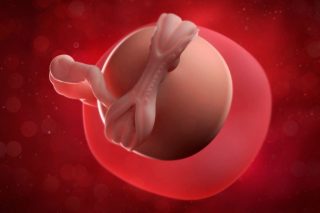
  • Correct Timing: The timing of the embryo transfer is crucial for the success of the treatment. Doctors determine the most appropriate time based on the patient’s menstrual cycle and hormone levels.

  • Comfortable Environment: On the day of transfer, it is recommended that the patient is relaxed and calm. IVF centers provide a soothing environment for patients.

  • Hormonal Support: Doctors may recommend hormonal treatments to support the implantation of the embryo in the uterus.

  • Post-Transfer Recommendations: After the transfer, patients are generally advised to rest and avoid excessive physical activity.

Embryo Transfer

Embryo transfer is a critical step that determines the success of IVF treatment. Experienced doctors and obstetric specialists working at the best IVF centers in Ankara manage this process in the most effective and precise way, helping couples turn their dream of having a baby into reality.


Ilk-Tup-Bebek-Denemesinde-Basariyi-Artiran-1200x800.jpg
27/Jan/2026

In vitro fertilization (IVF) offers a promising solution for couples who wish to have a baby. However, the process can be emotionally and physically demanding. The chances of success on the first attempt depend on individual factors and the treatment process, but there are steps that can help improve these chances. In this article, we explore ways to increase the likelihood of success on the first IVF attempt.

1. Choosing the Right Clinic and Specialist

The first step on the path to success is selecting a reputable IVF clinic and an experienced specialist.

Well-Equipped Clinics

Clinics with advanced laboratory technologies have an advantage in closely monitoring embryo development and applying appropriate techniques.

Experienced Medical Team

The experience of the doctor and medical team managing the treatment plays a crucial role in ensuring the process is handled successfully.

2. Adopting a Healthy Lifestyle

Maintaining a healthy lifestyle before and during IVF treatment is essential.

Balanced Nutrition

Follow a diet rich in vitamins and minerals while avoiding processed foods to improve egg and sperm quality. Foods high in antioxidants—such as leafy green vegetables, walnuts, and fish—are particularly beneficial.

Regular Exercise

Excess weight can negatively affect IVF success. Aim to maintain a healthy weight through regular exercise.

Avoid Smoking and Alcohol

Smoking and alcohol consumption negatively impact egg and sperm quality. It is strongly recommended to completely stop using them during treatment.

3. Learning to Manage Stress

IVF treatment is often stressful, and stress can influence success rates.

Seek Emotional Support

Receiving support from a psychologist or participating in couples therapy can help reduce emotional burden during the process.

Relaxation Techniques

Activities such as yoga, meditation, and breathing exercises can be effective in managing stress.

4. Preparing Physically for Treatment

Physical preparation can positively impact IVF outcomes.

Vitamins and Supplements

Supplements such as folic acid, vitamin D, and Omega-3 can have positive effects on reproductive health. Take supplements regularly as recommended by your doctor.

Sleep Routine

Quality sleep is essential for hormonal balance and overall health. Aim for 7–8 hours of sleep per night.

5. Understanding the Treatment Process

Being informed about the treatment process helps couples make more conscious decisions.

Ask Your Doctor Questions

Get detailed information about treatment methods, medications, and possible side effects.

Follow the Treatment Schedule

Taking medications on time and following medical instructions closely can increase success rates.

6. Determining the Optimal Embryo Transfer Timing

Embryo transfer is one of the most critical stages of IVF treatment.

Blastocyst Transfer

Allowing embryos to develop until day 5 makes it possible to select the strongest embryos.

Proper Timing

The uterus must be optimally prepared for embryo transfer, and the timing should align with your doctor’s recommendations.

7. Benefiting from Supportive Treatments

In some cases, supportive treatments may be used to enhance IVF success.

PRP and Exosome Therapy

These treatments may be applied to improve the quality of the uterine lining.

Genetic Testing

Genetic screening can be performed to determine whether embryos are genetically healthy.

8. Stay Hopeful and Patient

IVF is a process, and success may not always occur on the first attempt. It is important for couples not to blame themselves and to remain hopeful while focusing on future attempts. Each cycle provides valuable insights that can improve success rates.

Conclusion: Planning and Preparation Lead to Success

Achieving success on the first IVF attempt is possible, but success rates vary from person to person. By adopting a healthy lifestyle, managing stress effectively, and following the right treatment approaches, you can increase your chances.

At Novaart, we are here to guide you throughout your IVF journey and answer all your questions. Feel free to contact us for more information and support. Remember—every new day begins with hope. 🌱


embriyo-dondurma-1200x800.jpg
18/Nov/2025

What Is Embryo Freezing?

Embryo freezing has become a major source of hope for couples experiencing fertility challenges, continually improving with advancements in medical technology. However, not every IVF treatment is successful on the first attempt. There are several strategies that help couples overcome obstacles and achieve higher success rates — and one of the most important among them is embryo freezing.

Embryo freezing is one of the most significant innovations in IVF treatment. It increases overall success rates and provides an additional opportunity for future attempts.

This article explains what embryo freezing is, how it works, when it is recommended, and its important role in IVF treatment.

What Is Embryo Freezing?

Embryo freezing is the process of freezing and storing healthy embryos for long-term preservation as part of IVF treatment. It is considered one of the most important advancements in modern fertility medicine.

After eggs are fertilized with sperm, the developing embryos are monitored in the laboratory for several days. Healthy embryos are then preserved using a rapid-freezing method called vitrification. Vitrification protects the embryonic cells from structural damage, ensuring high success rates when embryos are later thawed and transferred.

Embryo freezing is not only used for embryos obtained during IVF but is also an important option for women who wish to preserve their fertility before starting treatment.

Advantages of Embryo Freezing

Higher Success Rates and Better Chances at Advanced Maternal Age

Embryo freezing increases IVF success, especially for women over the age of 35, whose ovarian reserve naturally declines. By freezing embryos obtained at a younger age, women can use healthier embryos later in life, helping offset the reduced success rates associated with advancing age.

Preservation of Ovarian Reserve

A woman’s ovarian reserve decreases naturally with age, especially in the late 30s. This affects IVF outcomes. Freezing embryos at an earlier age helps women begin future IVF cycles with healthier embryos — a major advantage for those who postpone pregnancy for career or personal reasons.

Using the Same Embryos for Multiple Attempts

The number of embryos produced during IVF may be limited. Frozen embryos help overcome this challenge by allowing the same embryo to be used in later cycles if needed. This eliminates the need for another egg retrieval, making the process faster, less stressful, and more cost-effective.

Improving Complex Treatment Processes

Some women face medical conditions that may negatively impact fertility — for example, cancer treatment. Embryo freezing before chemotherapy or radiotherapy helps preserve future fertility when these treatments may harm ovarian function.

When Is Embryo Freezing Recommended?

Excess Embryos or Advanced Maternal Age

During IVF, multiple embryos often develop. Any healthy embryos that are not transferred can be frozen for future use. This is especially helpful for older women, making treatment safer and more controlled.

Fertility Preservation in Cancer and Other Medical Conditions

Cancer treatments may permanently affect fertility. Freezing embryos before treatment offers women the chance to become mothers in the future.

Women with Decreased Ovarian Reserve

Women over 35 may experience declining ovarian reserve. Freezing healthy embryos at this stage provides an important opportunity for future IVF success.

Future Use of Frozen Embryos

Embryo freezing offers couples a long-term solution. Frozen embryos can later be thawed and transferred with high success rates. The same embryos can be used again for future IVF cycles if necessary.

Embryos can typically be stored for up to five years, though many clinics offer longer storage. Throughout storage, embryo quality remains preserved, allowing successful thawing and transfer.

Conclusion: Embryo Freezing — A Powerful Investment in the Future

Embryo freezing provides couples not only an advantage today but also a significant opportunity for future IVF attempts. This method allows healthy embryos to be preserved and used later, increasing overall treatment success — especially for women facing age-related fertility challenges.

Embryo freezing is also a valuable option for women who wish to protect their fertility for the future.

If you have questions about IVF or would like to learn more about embryo freezing, our experts at Novaart are ready to assist you with personalized guidance and information.


Novaart Where Dreams Come True

Nova Art IVF Center, we have been providing services since 2014 with advanced technology, a scientific approach, and a human-centered philosophy. With our experienced team and modern laboratory infrastructure, we safely turn your dream of becoming parents into reality.

Copyright by NOVAART 2025. All rights reserved.