Belonging to the Category You Selected

Blog Posts

tup-bebek-tedavisi-nedir-nasil-yapilir-kimlere-uygulanabilir.jpeg
24/Mar/2026

Today, many couples who wish to have a child may experience difficulties achieving pregnancy naturally. Infertility (sterility) can arise from various causes, and in such cases, in vitro fertilization (IVF) becomes an important option that offers hope for having a baby. Below are the conditions and patients for whom IVF treatment is applied:

1. Patients Who Have Undergone Ovarian Surgery

Conditions such as ovarian cysts, cancer, or endometrioma may reduce ovarian reserve and decrease the chances of natural conception. After such surgeries, IVF treatment can be an option to restore ovarian function.

2. Patients with Blocked or Removed Fallopian Tubes

Patients whose fallopian tubes are blocked or removed due to infections or ectopic pregnancy may have difficulty conceiving naturally. IVF offers an alternative by enabling fertilization outside the body.

3. Intra-Abdominal Adhesions

Previous abdominal surgeries, infections, or conditions such as endometriosis may cause adhesions, preventing communication between the ovaries and fallopian tubes. IVF can help overcome these barriers.

4. Patients with Ovulation Disorders

Women with ovulation problems, such as polycystic ovary syndrome (PCOS), may not ovulate regularly. IVF treatment can stimulate the ovaries appropriately and increase the chances of pregnancy.

5. Advanced Maternal Age

As women age, both the quality and quantity of eggs decline, reducing the likelihood of natural conception. IVF can be an effective option for stimulating the ovaries and obtaining healthy embryos.

6. Unexplained Infertility

Patients who cannot conceive despite thorough evaluation showing no identifiable issue are diagnosed with unexplained infertility. IVF may provide a solution in such cases.

7. Sexual Dysfunction

Conditions such as vaginismus in women or ejaculation disorders in men may make natural conception difficult. IVF can help overcome these obstacles.

8. Male Factor Infertility

Men with low sperm count, poor motility, or abnormal morphology may have reduced chances of natural conception. IVF can increase success rates by selecting healthy sperm and achieving fertilization in a laboratory setting.

9. Oncology Patients

Men who have undergone surgery due to testicular tumors or received cancer treatment may lose their fertility. IVF can be used with previously frozen sperm samples.

10. Congenital or Acquired Obstruction of Sperm Ducts

Men with congenital or acquired blockages in sperm ducts may face difficulty in natural conception. IVF can retrieve sperm directly from the testes to increase the chances of pregnancy.

11. Genetic Disorders

Couples at risk of genetic conditions can benefit from IVF combined with genetic testing to select healthy embryos and reduce the risk of hereditary diseases.

Before recommending IVF treatment, each patient should undergo a detailed evaluation, and the treatment plan should be individualized. The success of IVF depends on various factors such as the expertise of the clinic, technological infrastructure, and the health conditions of the couple.

NOVAART IVF Center in Ankara provides personalized and effective treatment options for couples experiencing infertility, guided by the most up-to-date scientific knowledge and supported by experienced IVF specialists.

What is IVF Treatment?

IVF treatment is a reproductive technology developed for couples experiencing infertility. Its main goal is to help couples who cannot conceive naturally.

In IVF treatment, the woman’s ovaries are stimulated with appropriate medications to produce multiple eggs. These eggs are then collected through a minor surgical procedure. Fertilization is carried out in a laboratory environment using sperm obtained from the male partner (the ICSI method may be used). The resulting embryos are then transferred into the woman’s uterus to initiate pregnancy.

IVF can be applied in various infertility cases, including blocked or removed fallopian tubes, diminished ovarian reserve, male factor infertility, sexual dysfunction, or unexplained infertility. The treatment process is usually planned as a cycle, and success rates may vary depending on several factors.

IVF is considered one of the major advancements in modern reproductive medicine and has enabled millions of couples to have children.

What Are the Advantages and Risks of IVF Treatment?

Advantages:

  • Opportunity to Have a Baby: Offers a chance of parenthood to couples who cannot conceive naturally.

  • Solution for Various Infertility Causes: Applicable to a wide range of infertility conditions.

  • High Success Rates: With technological advancements and expertise, success rates continue to improve.

  • Embryo Selection: Genetic testing allows for the selection of healthy embryos, reducing the risk of hereditary diseases.

  • Patient Control: Some stages of the treatment, such as ovarian stimulation, can be managed at home.

Risks and Disadvantages:

  • Multiple Pregnancy Risk: Transferring more than one embryo may increase the risk of multiple pregnancies, which can lead to complications.

  • Side Effects: Medications used for ovarian stimulation may cause side effects such as headaches, bloating, and emotional fluctuations.

  • Embryo Development Issues: There is a possibility that embryos may not develop as expected in the laboratory.

  • Cost: IVF treatment can be expensive and may create a financial burden for couples.

  • Psychological Impact: The process can be long and emotionally challenging, especially in cases of unsuccessful attempts.

The success and risks of IVF treatment vary depending on factors such as the experience of the clinic, the health status of the couple, and age. Therefore, a thorough evaluation and consultation before starting treatment are essential.


thumbnail-1200x800.jpeg
10/Mar/2026

Infertility, commonly known as sterility, is a condition that couples who wish to have a baby may encounter for various reasons. Among the available treatment options, in vitro fertilization (IVF) is one of the most commonly preferred methods by couples. In this article, we will examine the stages of IVF treatment in a detailed and professional manner.

Stages of IVF Treatment in Infertility

1. Initial Examination and Evaluation

The first stage of IVF treatment involves a comprehensive evaluation of the couple. During this stage:

  • The couple’s medical history is reviewed.

  • Previous treatments, pregnancy history, miscarriages, and premature births are evaluated.

  • Results of previously conducted medical tests are examined.

  • Blood samples are taken from both the woman and the man.

  • The woman’s ovarian reserve is assessed through ultrasonography.

  • A semen analysis (spermiogram) is performed for the male partner.

  • The uterine lining and the shape of the uterus are evaluated.

  • When necessary, advanced tests such as genetic analyses and clotting disorder tests (thrombophilia panel) are performed.

Based on these evaluations, the most suitable treatment plan for the couple is created and IVF treatment is initiated.

2. Ovarian Stimulation (Ovulation Induction)

The initial phase of the treatment process, known as ovulation induction or controlled ovarian hyperstimulation (COH), involves administering hormonal medications through daily injections to stimulate the ovaries to produce multiple eggs.

This stage:

  • Is individualized according to the woman’s age and ovarian reserve.

  • Includes medication types and doses specifically tailored to the patient.

  • Uses antagonist injections to prevent premature ovulation.

Egg development usually lasts between 7 and 12 days, during which the process is regularly monitored through ultrasound and blood tests.

3. Egg Retrieval (Oocyte Pick-Up – OPU)

Egg retrieval is performed under anesthesia (sedation/analgesia) using ultrasound guidance through the vaginal route.

During this procedure:

  • A thin needle is inserted into the ovaries to aspirate the fluid inside the follicles (egg sacs).

  • The collected eggs are placed in tubes and prepared for fertilization in the laboratory.

  • At the same stage, a sperm sample is collected from the male partner.

For sperm collection, the male partner is usually advised to maintain sexual abstinence for 2 to 4 days beforehand.

4. Fertilization with the Microinjection Method (ICSI)

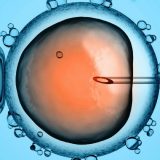
The collected eggs are fertilized in the laboratory on the same day using sperm obtained from the male partner through the Intracytoplasmic Sperm Injection (ICSI) technique.

ICSI involves:

  • Injecting a single sperm cell directly into each egg cell under a microscope.

  • The fertilized eggs (embryos) are then cultured in the laboratory for 3 to 5 days to allow development.

5. Embryo Transfer to the Mother

Embryo transfer is one of the final stages of IVF treatment and involves placing the fertilized embryos into the uterus.

During this stage:

  • Embryos from day 3 or day 5 are selected depending on their development.

  • The selected embryos are transferred into the uterus using a thin catheter in a painless procedure.

6. Pregnancy Test and Follow-Up

After embryo transfer, a pregnancy test is performed.

  • If a day-3 embryo is transferred, the pregnancy test is performed 12 days later.

  • If a day-5 embryo is transferred, the pregnancy test is performed 10 days later.

If the test result is positive, the pregnancy is monitored through ultrasound and blood tests to ensure it progresses healthily. If the result is negative, a new treatment plan is developed.

For a healthy pregnancy and successful birth, accurate diagnosis of infertility and the creation of an appropriate treatment plan are essential. IVF treatment should be personalized and carefully conducted by an experienced medical team.

NOVAART IVF Center in Ankara provides personalized treatment methods guided by experienced IVF specialists, using the most up-to-date scientific information for couples experiencing infertility.

If you would like to learn more about IVF treatment or start the treatment process, you can take the first step by consulting a specialist.

IVF Success Rate in Male Infertility

Male infertility accounts for approximately half of the difficulties couples experience when trying to conceive.

Male infertility is characterized by:

  • Low sperm count

  • Poor sperm quality

  • Insufficient sperm motility

In such cases, IVF treatment offers an important solution for couples.

The success rate of IVF in male infertility depends on several factors:

1. Sperm Quality and Count

Low Sperm Count:
Through the ICSI technique, even men with very low sperm counts can successfully fertilize eggs.

Sperm Quality:
Higher sperm quality increases the chances of fertilization and healthy embryo development.

2. Woman’s Age and Health

Woman’s Age:
A woman’s age directly affects embryo quality and implantation rates. Younger women generally have higher pregnancy success rates.

General Health:
The overall health of the woman plays an important role in the treatment process. A healthy uterine environment increases the chance of embryo implantation.

3. Medical and Technical Factors

Treatment Center and Expertise:
The equipment of the fertility clinic and the experience of the physicians significantly influence IVF success rates.

Treatment Method:
The techniques and technological infrastructure used during treatment may increase success rates.

Overall, the success rate of IVF treatment in male infertility ranges between 40% and 50%, depending on these factors.

IVF Success in Unexplained Infertility

Unexplained infertility refers to cases where couples are unable to achieve pregnancy after one year of regular, unprotected intercourse, despite medical tests showing no identifiable problem.

In such cases, IVF treatment provides a promising solution.

The success rates of IVF in unexplained infertility depend on the following factors:

1. Woman’s Age

Younger Women:
Women under 35 years of age tend to have higher success rates in IVF treatment. Success rates in this group can reach up to 50%.

Advanced Age:
For women over 35, success rates gradually decline with age and may range between 20% and 30%.

2. General Health Status

Healthy Lifestyle:
Adopting a healthy lifestyle can increase the success rate of IVF treatment. Balanced nutrition, regular exercise, and avoiding harmful habits such as smoking and alcohol are important.

Medical History:
The couple’s medical history and previous treatment experiences may influence success rates.

3. Treatment Center and Expertise

Experienced Specialists:
IVF treatments performed by experienced medical teams significantly increase the chances of success.

Advanced Technology:
Clinics equipped with modern technologies and up-to-date scientific practices achieve better outcomes.

Overall, the success rate of IVF treatment in unexplained infertility ranges between 30% and 50%.

IVF Treatment in Secondary Infertility

IVF treatment offers an effective solution for couples experiencing secondary infertility.

The stages of IVF treatment in such cases include:

1. Evaluation and Planning

  • The couple’s medical history and previous pregnancy experiences are thoroughly reviewed.

  • Hormonal tests, ultrasound examinations, and semen analyses are performed.

2. Ovarian Stimulation

  • Hormonal medications are administered to stimulate the ovaries.

  • Egg development is monitored with ultrasound and blood tests.

3. Egg Retrieval (OPU)

  • Eggs are collected under anesthesia with ultrasound guidance.

4. Fertilization and Embryo Development

  • Fertilization is achieved using the ICSI technique, and embryos develop in the laboratory.

5. Embryo Transfer

  • Developed embryos are transferred into the uterus.

6. Pregnancy Test and Follow-Up

  • After embryo transfer, a pregnancy test is conducted, and if positive, the pregnancy is closely monitored.

Success Rates of IVF Treatment in Secondary Infertility

The success rates of IVF treatment in couples with secondary infertility are generally higher than those in primary infertility.

Success rates depend on factors such as:

  • The woman’s age and ovarian reserve

  • Sperm quality of the male partner

  • The equipment and expertise of the treatment center

  • The treatment techniques used

Overall, IVF success rates in secondary infertility range between 40% and 60%.

For more information and to contact our specialists, you can visit the NovaArt website.


maxresdefault-1200x675.jpeg
03/Mar/2026

In vitro fertilization (IVF) treatment has become a beacon of hope for couples dreaming of having a child. One of the most critical steps in this process is embryo transfer, which plays a major role in achieving a successful pregnancy. So, what is embryo transfer? How and when is it performed? What happens after embryo transfer? What are the chances of success with the transfer of two embryos? How is frozen embryo transfer carried out, and is groin pain afterward normal? In this article, we address all the key details about embryo transfer.

What Is Embryo Transfer?

Embryo transfer is the procedure of placing embryos that have been fertilized in a laboratory into the woman’s uterus. This stage is the final step of IVF treatment and is one of the most crucial phases for achieving pregnancy. Fertilized eggs are developed in a laboratory under suitable conditions for several days. The healthiest embryos are then selected and transferred into the uterus.

How Is Embryo Transfer Performed?

Embryo transfer is usually a painless and short procedure. The steps are as follows:

Preparation Stage

Before embryo transfer, the lining of the uterus is prepared for pregnancy through hormone treatments. This preparation is important to increase the likelihood that the embryos will implant in the uterine wall.

Embryo Selection

Fertilized embryos are monitored in the laboratory for several days. During this time, their development stages and quality are evaluated. The healthiest and strongest embryos are selected for transfer.

The Transfer Procedure

The woman lies in a gynecological examination position. A thin, flexible catheter is passed through the cervix into the uterus via the vagina. The selected embryos are transferred into the uterus through this catheter. The procedure is generally painless and does not require anesthesia.

After the Procedure

Following the transfer, the woman usually rests for a short time. The embryos are expected to implant in the uterine lining. The doctor provides guidance on what to pay attention to during the post-transfer period.

embryo transfer

When Is Embryo Transfer Performed in IVF?

Embryo transfer is typically carried out approximately 2 to 6 days after egg retrieval. The timing depends on the embryos’ development stage in the laboratory:

Day 2 or 3 Transfer

At this stage, embryos consist of only a few cells. In some cases, earlier transfer into the uterus may be preferred.

Day 5 or 6 Transfer (Blastocyst Transfer)

The embryos are allowed to reach the blastocyst stage. A blastocyst transfer means the embryos are at a more advanced developmental stage and generally offers a higher chance of pregnancy.

After Embryo Transfer

After embryo transfer, it is important for the woman to rest and follow the doctor’s recommendations. Some women may experience mild groin pain, which is generally considered normal. The body needs rest to allow the embryo to implant in the uterine wall and for pregnancy to begin.

Chances of Success with Two Embryo Transfers

Transferring two embryos is a practice aimed at increasing the chances of pregnancy. Compared to transferring a single embryo, transferring two embryos may provide a higher likelihood of pregnancy. However, it also increases the risk of twin pregnancy. Therefore, it is important for couples to discuss this option thoroughly with their doctor.

Frozen Embryo Transfer

Frozen embryo transfer involves thawing embryos that were previously frozen in the laboratory and transferring them into the woman’s uterus. This method can be used as an alternative to fresh embryo transfer, and success rates can be similar. Frozen embryo transfer is performed at the most suitable time when the uterus is optimally prepared to receive the embryo.

When Is Frozen Embryo Transfer Performed?

Frozen embryo transfer can be performed during a woman’s natural menstrual cycle or during a hormonally regulated cycle. The doctor determines the most suitable time for implantation and schedules the transfer accordingly.

Embryo transfer is one of the most critical stages of IVF treatment and is of great importance in achieving pregnancy. This process is carefully planned and carried out by a specialized team. On the journey to parenthood, embryo transfer represents a hopeful step for couples. By understanding the process and proceeding consciously, it is possible to increase the chances of treatment success.

Remember, each individual’s situation is different, and the embryo transfer process will be shaped according to your personal health condition and your doctor’s recommendations. We wish all couples success and a healthy pregnancy.

Groin Pain After Frozen Embryo Transfer

Groin pain after frozen embryo transfer can occur in some women. This pain is usually related to the implantation process of the embryo into the uterine wall and is considered normal when mild. However, in cases of severe pain, it is recommended to consult your doctor.

Embryo Transfer for IVF: Advantages and Risks

Embryo transfer is a critical step in achieving pregnancy during IVF treatment. However, like any medical procedure, it has both advantages and potential risks.

Advantages

Higher Chance of Pregnancy:
Embryo transfer increases the likelihood of pregnancy by placing fertilized embryos directly into the uterus. Transferring high-quality embryos further improves the chances of success.

Controlled Process:
Embryo transfer is performed in a controlled manner by monitoring embryo development in the laboratory and selecting the healthiest ones. This is an important factor that enhances treatment success.

Use of Frozen Embryos:
In addition to fresh embryo transfer, frozen embryo transfer is also possible. This allows embryos to be used at the most appropriate time and enables the woman’s body to respond better to treatment.

Risks

Risk of Multiple Pregnancy:
Especially when more than one embryo is transferred, the risk of multiple pregnancies (twins, triplets, etc.) increases. Multiple pregnancies may carry certain health risks for both the mother and the babies.

Implantation Failure:
Not every embryo transfer results in pregnancy. If the embryos fail to implant in the uterine lining, treatment may not be successful.

Physical and Emotional Challenges:
Some women may experience physical discomfort (such as groin pain) after embryo transfer. Additionally, the stress and emotional fluctuations during the treatment process may create pressure on couples.

Embryo transfer offers a significant opportunity for the successful outcome of IVF treatment. However, along with its advantages, there are also risks that require careful consideration. It is important for couples to maintain open communication with their doctors and to follow each step of the process consciously. Being patient and well-informed on this journey to success will increase the chances of achieving positive results.


Novaart Where Dreams Come True

Nova Art IVF Center, we have been providing services since 2014 with advanced technology, a scientific approach, and a human-centered philosophy. With our experienced team and modern laboratory infrastructure, we safely turn your dream of becoming parents into reality.

Copyright by NOVAART 2025. All rights reserved.