Belonging to the Category You Selected

Blog Posts

Tup-bebek-tedavisi-1200x801.jpg
10/Feb/2026

The IVF Treatment Process: What You Need to Know in 10 Steps

In vitro fertilization (IVF) is a source of hope for couples who are trying to conceive. However, the process can be detailed and complex. For this reason, understanding each step of the treatment and knowing what to expect is very important.

In this section, we provide a step-by-step guide to the IVF treatment process. You will learn all the essential details, from the stages of treatment to success rates. By reviewing this guide, you can be better prepared for your IVF journey.

Key Points

  • IVF is a medical treatment designed to help couples experiencing fertility problems.

  • IVF consists of several stages, and each stage has its own important considerations.

  • Ideal candidates for IVF must meet certain medical criteria.

  • The IVF process may have psychological effects on couples.

  • IVF success rates depend on multiple factors.

1. What Is IVF Treatment?

IVF is a medical procedure that helps couples who want to have a child. The main goal of IVF is to offer a solution for couples who have difficulty conceiving naturally or who have no chance of conceiving without medical assistance.

During IVF, eggs are collected from the woman’s ovaries and fertilized with sperm in a laboratory environment. The resulting embryos are then transferred into the woman’s uterus a few days later.

IVF can help overcome reproductive problems in either the woman or the man and initiate pregnancy. The suitability of IVF depends on the couple’s medical condition, age, and medical history. Therefore, the treatment plan may differ for each couple.

2. Who Needs IVF Treatment?

IVF is commonly chosen by couples who wish to have a baby but cannot conceive naturally. Most couples who seek IVF experience infertility.

Couples may have difficulty conceiving due to problems with sperm or egg production, or because of blocked fallopian tubes. Sexually transmitted infections, hormonal disorders, advanced age, smoking, and obesity may also be contributing factors.

To determine whether IVF is suitable for you, it is important to consult your doctor and undergo the necessary tests. If you are found to be a suitable candidate, the next step is selecting the most appropriate IVF method for your situation.

3. IVF Treatment Methods

IVF involves collecting mature eggs from the ovaries using a special needle under ultrasound guidance. The eggs are then fertilized in the laboratory and later transferred into the uterus.

3.1 Insemination (Intrauterine Insemination – IUI)

In this method, the partner’s sperm is placed directly into the woman’s uterus using a special catheter.

3.2 ICSI (Intracytoplasmic Sperm Injection)

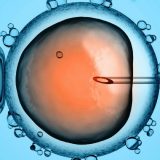
In ICSI, a single sperm cell is injected directly into a mature egg in the laboratory. This method is often preferred for couples with male factor infertility.

3.3 Donor Egg Treatment

If a woman cannot use her own eggs, donor eggs may be used as part of the IVF treatment.

The choice of method depends on the couple’s age, diagnosis, success rates, and the recommendations of the fertility specialist.

4. Ideal Candidates for IVF Treatment

IVF is not suitable for every couple. Ideal candidates meet certain medical and clinical criteria.

Women under the age of 35 and men with good sperm quality are generally considered better candidates. Couples affected by conditions such as polycystic ovary syndrome (PCOS) or endometriosis may also benefit from IVF.

However, individuals with serious chronic conditions, such as certain immune system disorders or cancer, may not be suitable candidates for IVF.

5. Requirements for IVF Treatment

5.1 Fertility-Related and Medical Requirements

Requirement Description
Fertility problems At least one partner must have a diagnosed fertility problem.
General health status Both partners must be medically fit to undergo treatment.
Age factor Being over the age of 40 may reduce the likelihood of success for women.
Financial preparedness IVF can be costly, and couples should be financially prepared.

IVF can be highly successful for ideal candidates. However, outcomes may vary from couple to couple. It is essential to discuss the benefits and risks with your doctor before starting treatment.

6. Stages of IVF Treatment

IVF consists of several carefully planned stages.

6.1 Ovarian Stimulation (Hormone Therapy)

Hormone injections are used to stimulate the ovaries and promote the development of multiple eggs. This step is essential for treatment success.

6.2 Egg Retrieval

Egg retrieval is performed under anesthesia. A needle guided by ultrasound is used to collect mature eggs from the ovaries.

6.3 Fertilization and Embryo Culture

The retrieved eggs are fertilized with sperm in the laboratory. This process is called in vitro fertilization (IVF). The embryos are cultured for several days.

6.4 Embryo Transfer

The embryo transfer procedure takes only a few minutes and usually does not require anesthesia. A thin catheter is used to place the embryos into the uterus.

6.5 Pregnancy Test

A pregnancy test is performed approximately 10–14 days after embryo transfer.

7. IVF Success Rates

IVF is one of the most commonly used fertility treatments. However, success rates depend on several factors.

These factors include the woman’s age, egg and sperm quality, the condition of the uterine environment, and the body’s response to treatment.

Experts report that IVF success rates generally range between 35% and 60%. Women under the age of 35 tend to have higher success rates.

IVF success rates are usually published annually by fertility clinics and can be used as a reference by prospective patients.

8. Important Considerations During IVF Treatment

IVF is a major step in a couple’s life, and certain points require special attention throughout the process.

8.1 Adopt a Healthy Lifestyle

Maintaining a balanced diet, engaging in regular physical activity, and avoiding stress can positively influence treatment outcomes.

8.2 Follow Your Doctor’s Instructions

Taking medications as prescribed, attending appointments on time, and maintaining close communication with your doctor can improve the chances of success.

8.3 Seek Emotional Support

IVF can be emotionally challenging. Counseling or joining support groups may help couples cope with emotional stress.

8.4 Manage Stress

Stress may negatively affect the treatment process. Activities such as yoga, meditation, or light exercise can help reduce stress levels.

9. IVF Treatment and Psychological Support

IVF can be emotionally demanding, and psychological support plays an important role during this process.

During treatment, couples may experience anxiety, fear of failure, and emotional distress. Many fertility clinics offer counseling services and work with psychologists to support couples.

Couples may also benefit from joining support groups or connecting with others undergoing similar treatments.

Psychological support remains important not only during treatment but also after the treatment cycle is completed.

10. Results of IVF Treatment

IVF is an important option for couples who wish to have a child. While treatment may lead to pregnancy, it may not be successful in every case.

The overall chance of achieving pregnancy after IVF is approximately 40–50%. Success depends on many factors, including choosing the right clinic, the appropriate treatment approach, and selecting ideal candidates.

Even after successful IVF, couples may still have a chance to conceive naturally. The risk of miscarriage after IVF is similar to that of natural pregnancies. Following medical advice is essential to achieve and maintain a healthy pregnancy.

It should be remembered that the IVF journey can be challenging. However, its outcomes can be life-changing. Therefore, discussing possible results with your doctor and receiving psychological support is strongly recommended.


Ilk-Tup-Bebek-Denemesinde-Basariyi-Artiran-1200x800.jpg
27/Jan/2026

In vitro fertilization (IVF) offers a promising solution for couples who wish to have a baby. However, the process can be emotionally and physically demanding. The chances of success on the first attempt depend on individual factors and the treatment process, but there are steps that can help improve these chances. In this article, we explore ways to increase the likelihood of success on the first IVF attempt.

1. Choosing the Right Clinic and Specialist

The first step on the path to success is selecting a reputable IVF clinic and an experienced specialist.

Well-Equipped Clinics

Clinics with advanced laboratory technologies have an advantage in closely monitoring embryo development and applying appropriate techniques.

Experienced Medical Team

The experience of the doctor and medical team managing the treatment plays a crucial role in ensuring the process is handled successfully.

2. Adopting a Healthy Lifestyle

Maintaining a healthy lifestyle before and during IVF treatment is essential.

Balanced Nutrition

Follow a diet rich in vitamins and minerals while avoiding processed foods to improve egg and sperm quality. Foods high in antioxidants—such as leafy green vegetables, walnuts, and fish—are particularly beneficial.

Regular Exercise

Excess weight can negatively affect IVF success. Aim to maintain a healthy weight through regular exercise.

Avoid Smoking and Alcohol

Smoking and alcohol consumption negatively impact egg and sperm quality. It is strongly recommended to completely stop using them during treatment.

3. Learning to Manage Stress

IVF treatment is often stressful, and stress can influence success rates.

Seek Emotional Support

Receiving support from a psychologist or participating in couples therapy can help reduce emotional burden during the process.

Relaxation Techniques

Activities such as yoga, meditation, and breathing exercises can be effective in managing stress.

4. Preparing Physically for Treatment

Physical preparation can positively impact IVF outcomes.

Vitamins and Supplements

Supplements such as folic acid, vitamin D, and Omega-3 can have positive effects on reproductive health. Take supplements regularly as recommended by your doctor.

Sleep Routine

Quality sleep is essential for hormonal balance and overall health. Aim for 7–8 hours of sleep per night.

5. Understanding the Treatment Process

Being informed about the treatment process helps couples make more conscious decisions.

Ask Your Doctor Questions

Get detailed information about treatment methods, medications, and possible side effects.

Follow the Treatment Schedule

Taking medications on time and following medical instructions closely can increase success rates.

6. Determining the Optimal Embryo Transfer Timing

Embryo transfer is one of the most critical stages of IVF treatment.

Blastocyst Transfer

Allowing embryos to develop until day 5 makes it possible to select the strongest embryos.

Proper Timing

The uterus must be optimally prepared for embryo transfer, and the timing should align with your doctor’s recommendations.

7. Benefiting from Supportive Treatments

In some cases, supportive treatments may be used to enhance IVF success.

PRP and Exosome Therapy

These treatments may be applied to improve the quality of the uterine lining.

Genetic Testing

Genetic screening can be performed to determine whether embryos are genetically healthy.

8. Stay Hopeful and Patient

IVF is a process, and success may not always occur on the first attempt. It is important for couples not to blame themselves and to remain hopeful while focusing on future attempts. Each cycle provides valuable insights that can improve success rates.

Conclusion: Planning and Preparation Lead to Success

Achieving success on the first IVF attempt is possible, but success rates vary from person to person. By adopting a healthy lifestyle, managing stress effectively, and following the right treatment approaches, you can increase your chances.

At Novaart, we are here to guide you throughout your IVF journey and answer all your questions. Feel free to contact us for more information and support. Remember—every new day begins with hope. 🌱


erkek-kisirliginda-tup-bebek-tedavisi-1200x800.jpg
14/Jan/2026

Although male infertility can be a significant obstacle for couples who wish to have a child, in vitro fertilization (IVF) offers an effective solution to overcome this challenge. Thanks to modern reproductive technologies, successful outcomes can also be achieved in cases related to male infertility. In this article, we discuss how IVF treatment is applied in male infertility cases, the methods used during the process, and the factors that increase the chances of success.

The Role of IVF Treatment in Male Infertility

In cases of male infertility, IVF treatment is especially preferred when sperm count is insufficient or sperm quality is low. Even when natural conception is not possible, this treatment significantly increases a couple’s chances of having a baby.

During IVF treatment, specialized techniques tailored to male infertility are used. These range from supportive methods aimed at improving sperm quality and quantity to advanced technologies such as intracytoplasmic sperm injection (ICSI).

IVF Treatment for Male Infertility

Methods Used in IVF Treatment

1. Intracytoplasmic Sperm Injection (ICSI)

ICSI is one of the most commonly used methods to overcome male infertility in IVF treatment. In this technique:

  • A single healthy sperm is directly injected into an egg under a microscope.

  • It is successfully used in cases of low sperm count, poor motility, or abnormal sperm morphology.

2. TESA / PESA / MESA Methods

In men who produce sperm but have no sperm present in the ejaculate, sperm can be surgically retrieved from the testes or epididymis.

  • TESA (Testicular Sperm Aspiration): Sperm is collected from testicular tissue using a needle.

  • PESA (Percutaneous Epididymal Sperm Aspiration): Sperm is obtained from the epididymis.

  • MESA (Microsurgical Epididymal Sperm Aspiration): Sperm is retrieved through a more detailed microsurgical procedure.

3. Use of Donor Sperm

If sperm cannot be obtained from the male partner, the use of donor sperm may be considered as an alternative. This option is applied in rare cases where genetic material cannot be provided.

The IVF Process: Step by Step

Evaluation and Preparation

Both partners undergo a comprehensive evaluation. When male infertility is diagnosed, the most appropriate treatment method is determined. Semen analysis and genetic tests play a crucial role at this stage.

Ovarian Stimulation

Hormonal treatment is administered to the woman to stimulate the ovaries and enable the production of multiple eggs, increasing the chances of fertilization.

Sperm Collection and Processing

The sperm sample obtained from the male partner is processed in the laboratory using specialized techniques. In cases of very low sperm count, sperm may be collected through surgical methods.

Fertilization and Embryo Development

Using the ICSI technique, sperm is directly injected into the egg, and embryo development is monitored in the laboratory.

Embryo Transfer

The healthiest developing embryos are selected and transferred into the woman’s uterus. After this stage, the pregnancy test is awaited.

Factors That Increase the Chance of Success

Several key factors influence the success of IVF treatment in cases of male infertility:

  • Sperm Quality: If no genetic or structural abnormalities are detected in sperm analysis, success rates increase.

  • Female Age: The woman’s age and ovarian reserve directly affect IVF success.

  • Expertise and Technology: Receiving treatment at a center with an experienced team and advanced technology significantly improves success rates.

  • Lifestyle: Adopting a healthy lifestyle contributes positively to the treatment process.

Psychological Support: An Essential Part of the Process

IVF treatment can be physically and emotionally demanding for couples. Therefore:

  • Couples supporting each other throughout the process,

  • Seeking professional help for stress management,

  • Maintaining continuous communication with the specialist doctor and medical team

are all extremely important.

Conclusion: There Is a Solution, There Is Hope

Thanks to the possibilities offered by modern medicine, male infertility is no longer an insurmountable obstacle. IVF treatment has helped countless couples achieve their dreams of parenthood.

At Novaart, we are here to guide you through this journey and provide the support you need. For more detailed information and personalized solutions, feel free to contact us.


Novaart Where Dreams Come True

Nova Art IVF Center, we have been providing services since 2014 with advanced technology, a scientific approach, and a human-centered philosophy. With our experienced team and modern laboratory infrastructure, we safely turn your dream of becoming parents into reality.

Copyright by NOVAART 2025. All rights reserved.