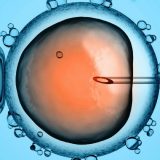
IVF (In Vitro Fertilization) is one of the most effective methods modern medicine offers to couples who are unable to conceive naturally. However, the journey can be complex and emotionally challenging. Understanding each step helps couples proceed with greater confidence and peace of mind. Here is a detailed guide to the IVF process:
1. Initial Consultation and Assessment
Before beginning treatment, a comprehensive evaluation is performed. During the initial appointment, the doctor:
-
Reviews the couple’s medical history, including previous pregnancies, miscarriages, or treatments.
-
Assesses the woman’s ovarian reserve, uterine structure, and fallopian tubes through ultrasound, hormone tests, and HSG (hysterosalpingography).
-
Performs a semen analysis for the man, examining sperm count, motility, and morphology.
Frequently Asked Questions at This Stage:
-
How long will the treatment take?
-
What are the success rates?
-
What should I be careful about during treatment?
The information provided by the specialist helps couples feel more informed and secure.
2. Ovarian Stimulation
Hormonal medications are given to stimulate the ovaries to produce more and higher-quality eggs. This phase lasts about 8–14 days and includes:
-
Daily Injections: Hormones are administered to help follicles grow. The dosage is personalized based on the patient’s response.
-
Regular Monitoring: Follicle size, number, and hormone levels are checked via ultrasound and blood tests.
-
Trigger Shot: Once the eggs reach maturity, a trigger injection is administered to prepare them for retrieval.
Important Note: Mild side effects such as bloating and tenderness may occur. Regular medical supervision helps minimize discomfort.
3. Egg Retrieval (OPU – Oocyte Pick-Up)
Mature eggs are retrieved under light anesthesia. The procedure typically includes:
-
Aspiration of follicles using a fine needle guided by ultrasound.
-
A procedure duration of approximately 15–20 minutes.
-
Collection and evaluation of eggs in the laboratory.
On the Same Day:
-
A sperm sample is collected from the male partner.
-
The sample is washed and prepared in the lab.
-
Fertilization is carried out either naturally by co-culturing sperm and eggs or through ICSI (Intracytoplasmic Sperm Injection).
4. Embryo Development
Once fertilized, eggs begin developing into embryos. During this stage:
-
Embryos are cultured in special media for 3–5 days.
-
They are evaluated at Day 3 or at the blastocyst stage on Day 5.
-
If necessary, genetic testing (PGT) can be performed by taking a small biopsy from the embryos.
Key Points to Know:
-
Only high-quality embryos are selected.
-
Extra embryos can be frozen for future use.
-
Genetic testing is recommended in cases such as recurrent miscarriages or advanced maternal age.
5. Embryo Transfer
This is the most exciting phase of the treatment. Prepared embryos are transferred into the uterus.
-
The thickness of the uterine lining (endometrium) is evaluated before transfer.
-
The procedure is painless and usually does not require anesthesia.
-
Embryos are placed into the uterus using a thin catheter.
Post-Transfer Recommendations:
-
Rest with light activities.
-
Pay attention to emotional well-being and stress management.
6. Waiting Period and Pregnancy Test
A period of about 10–12 days follows the transfer. This is often a hopeful yet emotionally intense time.
-
Medications prescribed by the doctor should be taken regularly.
-
Heavy physical activities should be avoided.
At the End:
-
A blood test (Beta-hCG) determines whether pregnancy has occurred.
-
If positive, early pregnancy follow-up begins.
Frequently Asked Questions About IVF
How long does the treatment take?
From ovarian stimulation to embryo transfer, the process generally takes 3–4 weeks.
What are the success rates?
Success varies based on age and the quality of eggs and sperm. Women under 35 typically have higher success rates.
Are there any side effects?
Mild bloating and mood changes may occur due to hormonal medications. Serious complications such as OHSS are rare.
Final Words: Moving Forward with Hope and Patience
IVF is a personalized journey. Every couple’s story is unique, and each stage requires patience. Beyond the physical steps, emotional and psychological support can also play an important role.
At Novaart, we are here to support you throughout this journey. You can reach out to our expert team with your questions and take the first step toward making your dreams come true.