Belonging to the Category You Selected

Blog Posts

Tup-Bebek-Surecleri-1200x800.jpg
18/Nov/2025

IVF (In Vitro Fertilization) is one of the most effective methods modern medicine offers to couples who are unable to conceive naturally. However, the journey can be complex and emotionally challenging. Understanding each step helps couples proceed with greater confidence and peace of mind. Here is a detailed guide to the IVF process:

1. Initial Consultation and Assessment

Before beginning treatment, a comprehensive evaluation is performed. During the initial appointment, the doctor:

  • Reviews the couple’s medical history, including previous pregnancies, miscarriages, or treatments.

  • Assesses the woman’s ovarian reserve, uterine structure, and fallopian tubes through ultrasound, hormone tests, and HSG (hysterosalpingography).

  • Performs a semen analysis for the man, examining sperm count, motility, and morphology.

Frequently Asked Questions at This Stage:

  • How long will the treatment take?

  • What are the success rates?

  • What should I be careful about during treatment?

The information provided by the specialist helps couples feel more informed and secure.

2. Ovarian Stimulation

Hormonal medications are given to stimulate the ovaries to produce more and higher-quality eggs. This phase lasts about 8–14 days and includes:

  • Daily Injections: Hormones are administered to help follicles grow. The dosage is personalized based on the patient’s response.

  • Regular Monitoring: Follicle size, number, and hormone levels are checked via ultrasound and blood tests.

  • Trigger Shot: Once the eggs reach maturity, a trigger injection is administered to prepare them for retrieval.

Important Note: Mild side effects such as bloating and tenderness may occur. Regular medical supervision helps minimize discomfort.

3. Egg Retrieval (OPU – Oocyte Pick-Up)

Mature eggs are retrieved under light anesthesia. The procedure typically includes:

  • Aspiration of follicles using a fine needle guided by ultrasound.

  • A procedure duration of approximately 15–20 minutes.

  • Collection and evaluation of eggs in the laboratory.

On the Same Day:

  • A sperm sample is collected from the male partner.

  • The sample is washed and prepared in the lab.

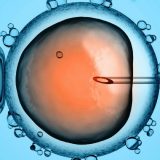
  • Fertilization is carried out either naturally by co-culturing sperm and eggs or through ICSI (Intracytoplasmic Sperm Injection).

4. Embryo Development

Once fertilized, eggs begin developing into embryos. During this stage:

  • Embryos are cultured in special media for 3–5 days.

  • They are evaluated at Day 3 or at the blastocyst stage on Day 5.

  • If necessary, genetic testing (PGT) can be performed by taking a small biopsy from the embryos.

Key Points to Know:

  • Only high-quality embryos are selected.

  • Extra embryos can be frozen for future use.

  • Genetic testing is recommended in cases such as recurrent miscarriages or advanced maternal age.

5. Embryo Transfer

This is the most exciting phase of the treatment. Prepared embryos are transferred into the uterus.

  • The thickness of the uterine lining (endometrium) is evaluated before transfer.

  • The procedure is painless and usually does not require anesthesia.

  • Embryos are placed into the uterus using a thin catheter.

Post-Transfer Recommendations:

  • Rest with light activities.

  • Pay attention to emotional well-being and stress management.

6. Waiting Period and Pregnancy Test

A period of about 10–12 days follows the transfer. This is often a hopeful yet emotionally intense time.

  • Medications prescribed by the doctor should be taken regularly.

  • Heavy physical activities should be avoided.

At the End:

  • A blood test (Beta-hCG) determines whether pregnancy has occurred.

  • If positive, early pregnancy follow-up begins.

Frequently Asked Questions About IVF

How long does the treatment take?

From ovarian stimulation to embryo transfer, the process generally takes 3–4 weeks.

What are the success rates?

Success varies based on age and the quality of eggs and sperm. Women under 35 typically have higher success rates.

Are there any side effects?

Mild bloating and mood changes may occur due to hormonal medications. Serious complications such as OHSS are rare.

Final Words: Moving Forward with Hope and Patience

IVF is a personalized journey. Every couple’s story is unique, and each stage requires patience. Beyond the physical steps, emotional and psychological support can also play an important role.

At Novaart, we are here to support you throughout this journey. You can reach out to our expert team with your questions and take the first step toward making your dreams come true.


ileri-yaslarda-tup-bebek-tedavisi-1200x800.jpg
18/Nov/2025

Every woman has her own unique dream of having children. However, fertility is a process that is susceptible to the effects of time, and as women age, having children can become more challenging. Thanks to advances in medicine, IVF treatment continues to offer hope to women of advanced age. In this article, we will discuss all aspects of IVF treatment in older women in detail, including the challenges, success factors, and important considerations throughout the process.

Fertility and Age: The Reality of Nature

Women’s fertility capacity follows a specific cycle from the first years of life. Ovarian reserve and egg quality decrease over time. During this process:

20s: This is the period of peak fertility. Both the number and quality of eggs are high.
30s: A gradual decline in fertility begins. This decline becomes more pronounced after age 35.
40s: Ovarian reserve decreases significantly and egg quality declines. This greatly reduces the chances of natural pregnancy.

The effects of a woman’s biological clock are a critical factor to consider in IVF treatment.

Factors That Complicate IVF Treatment in Older Women

  1. Decreased Egg Reserve
    Women are born with a certain egg reserve, which decreases with age. After the age of 40, egg production becomes quite limited.
  2. Genetic Abnormalities
    Genetic abnormalities may occur in eggs at an advanced age. This reduces the chance of forming a healthy embryo and increases the risk of miscarriage.
  3. Hormonal Imbalances
    Hormone levels change with age. A decrease in hormones such as estrogen and progesterone can make it difficult for the lining of the uterus to provide a suitable environment for the embryo to implant.
  4. Impact of Health Conditions
    Chronic conditions seen in older age (diabetes, high blood pressure, etc.) can negatively affect both overall health and the pregnancy process.

Factors Affecting Success

Success in IVF treatment is not determined by age alone. The following factors can increase the chances of pregnancy at advanced maternal age:

  1. Embryo Quality and Genetic Testing
    Preimplantation Genetic Testing (PGT) analyzes the genetic structure of embryos and helps select the healthiest ones. This increases the success rate for women of advanced age.

  2. Use of Donor Eggs
    For women whose chances of pregnancy with their own eggs are low, using donor eggs is an important option that significantly increases the likelihood of achieving a healthy pregnancy.

  3. Lifestyle and Nutrition
    Adopting a healthy lifestyle positively influences the success of IVF treatment. Regular exercise, balanced nutrition, and staying away from stress are highly important.

Steps to Follow in IVF Treatment at Advanced Maternal Age

  1. Choosing the Right Clinic and Specialist
    IVF treatment at an advanced age requires greater expertise. Selecting an experienced medical team and a technologically advanced clinic is critically important.

  2. Individualized Treatment Plan
    Every woman’s fertility condition is different. A personalized treatment plan should be created based on ovarian reserve, hormone levels, and medical history.

  3. Timing Is Very Important
    One of the biggest challenges for women of advanced age is the race against biological time. Therefore, starting IVF treatment as soon as possible is essential.

  4. Considering Alternative Options
    Alternative approaches such as donor eggs or embryo freezing offer significant opportunities for women of advanced maternal age.

Success Stories: Real Experiences That Inspire Hope

No matter the age, many women have achieved success through IVF treatment. Especially the stories of women over 40 show that despite the challenges, there is always room for hope.

For example:

  • A 42-year-old mother-to-be welcomed a healthy baby with the help of genetic testing and donor eggs.

  • A couple who began IVF treatment at age 45 achieved a successful pregnancy on their second attempt.

These stories prove that with proper planning and determination, becoming a mother at an advanced age is absolutely possible.

Psychological Support: An Essential Part of the Journey

IVF treatment at an advanced age can be both physically and emotionally demanding. Psychological support can make the process easier and healthier to navigate:

  • Seek professional help for stress management.

  • Don’t hesitate to share your feelings with your partner or family.

  • Maintain a positive mindset and approach the journey with hope.

Conclusion: Don’t Give Up on Your Dreams

Despite the challenges that come with age, IVF treatment remains a powerful option for achieving your dream of becoming a mother. Thanks to advancements in medical science, many situations once thought impossible are now within reach.

Remember, you are not alone on this journey. At Novaart, we are ready to support you with accurate information and expert guidance. You can contact us to learn more and take one step closer to your dreams.


Novaart Where Dreams Come True

Nova Art IVF Center, we have been providing services since 2014 with advanced technology, a scientific approach, and a human-centered philosophy. With our experienced team and modern laboratory infrastructure, we safely turn your dream of becoming parents into reality.

Copyright by NOVAART 2025. All rights reserved.