What Is Embryo Freezing?
Embryo freezing has become a major source of hope for couples experiencing fertility challenges, continually improving with advancements in medical technology. However, not every IVF treatment is successful on the first attempt. There are several strategies that help couples overcome obstacles and achieve higher success rates — and one of the most important among them is embryo freezing.
Embryo freezing is one of the most significant innovations in IVF treatment. It increases overall success rates and provides an additional opportunity for future attempts.
This article explains what embryo freezing is, how it works, when it is recommended, and its important role in IVF treatment.
What Is Embryo Freezing?
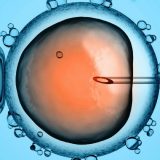
Embryo freezing is the process of freezing and storing healthy embryos for long-term preservation as part of IVF treatment. It is considered one of the most important advancements in modern fertility medicine.
After eggs are fertilized with sperm, the developing embryos are monitored in the laboratory for several days. Healthy embryos are then preserved using a rapid-freezing method called vitrification. Vitrification protects the embryonic cells from structural damage, ensuring high success rates when embryos are later thawed and transferred.
Embryo freezing is not only used for embryos obtained during IVF but is also an important option for women who wish to preserve their fertility before starting treatment.
Advantages of Embryo Freezing
Higher Success Rates and Better Chances at Advanced Maternal Age
Embryo freezing increases IVF success, especially for women over the age of 35, whose ovarian reserve naturally declines. By freezing embryos obtained at a younger age, women can use healthier embryos later in life, helping offset the reduced success rates associated with advancing age.
Preservation of Ovarian Reserve
A woman’s ovarian reserve decreases naturally with age, especially in the late 30s. This affects IVF outcomes. Freezing embryos at an earlier age helps women begin future IVF cycles with healthier embryos — a major advantage for those who postpone pregnancy for career or personal reasons.
Using the Same Embryos for Multiple Attempts
The number of embryos produced during IVF may be limited. Frozen embryos help overcome this challenge by allowing the same embryo to be used in later cycles if needed. This eliminates the need for another egg retrieval, making the process faster, less stressful, and more cost-effective.
Improving Complex Treatment Processes
Some women face medical conditions that may negatively impact fertility — for example, cancer treatment. Embryo freezing before chemotherapy or radiotherapy helps preserve future fertility when these treatments may harm ovarian function.
When Is Embryo Freezing Recommended?
Excess Embryos or Advanced Maternal Age
During IVF, multiple embryos often develop. Any healthy embryos that are not transferred can be frozen for future use. This is especially helpful for older women, making treatment safer and more controlled.
Fertility Preservation in Cancer and Other Medical Conditions
Cancer treatments may permanently affect fertility. Freezing embryos before treatment offers women the chance to become mothers in the future.
Women with Decreased Ovarian Reserve
Women over 35 may experience declining ovarian reserve. Freezing healthy embryos at this stage provides an important opportunity for future IVF success.
Future Use of Frozen Embryos
Embryo freezing offers couples a long-term solution. Frozen embryos can later be thawed and transferred with high success rates. The same embryos can be used again for future IVF cycles if necessary.
Embryos can typically be stored for up to five years, though many clinics offer longer storage. Throughout storage, embryo quality remains preserved, allowing successful thawing and transfer.
Conclusion: Embryo Freezing — A Powerful Investment in the Future
Embryo freezing provides couples not only an advantage today but also a significant opportunity for future IVF attempts. This method allows healthy embryos to be preserved and used later, increasing overall treatment success — especially for women facing age-related fertility challenges.
Embryo freezing is also a valuable option for women who wish to protect their fertility for the future.
If you have questions about IVF or would like to learn more about embryo freezing, our experts at Novaart are ready to assist you with personalized guidance and information.